Our Mission
Protecting the Owls That Protect Our Ecosystem
WCOPS exists to ensure that every owl species native to western Connecticut has the habitat, protection, and public support it needs to thrive — not just survive — for generations to come.
Why Owls Matter
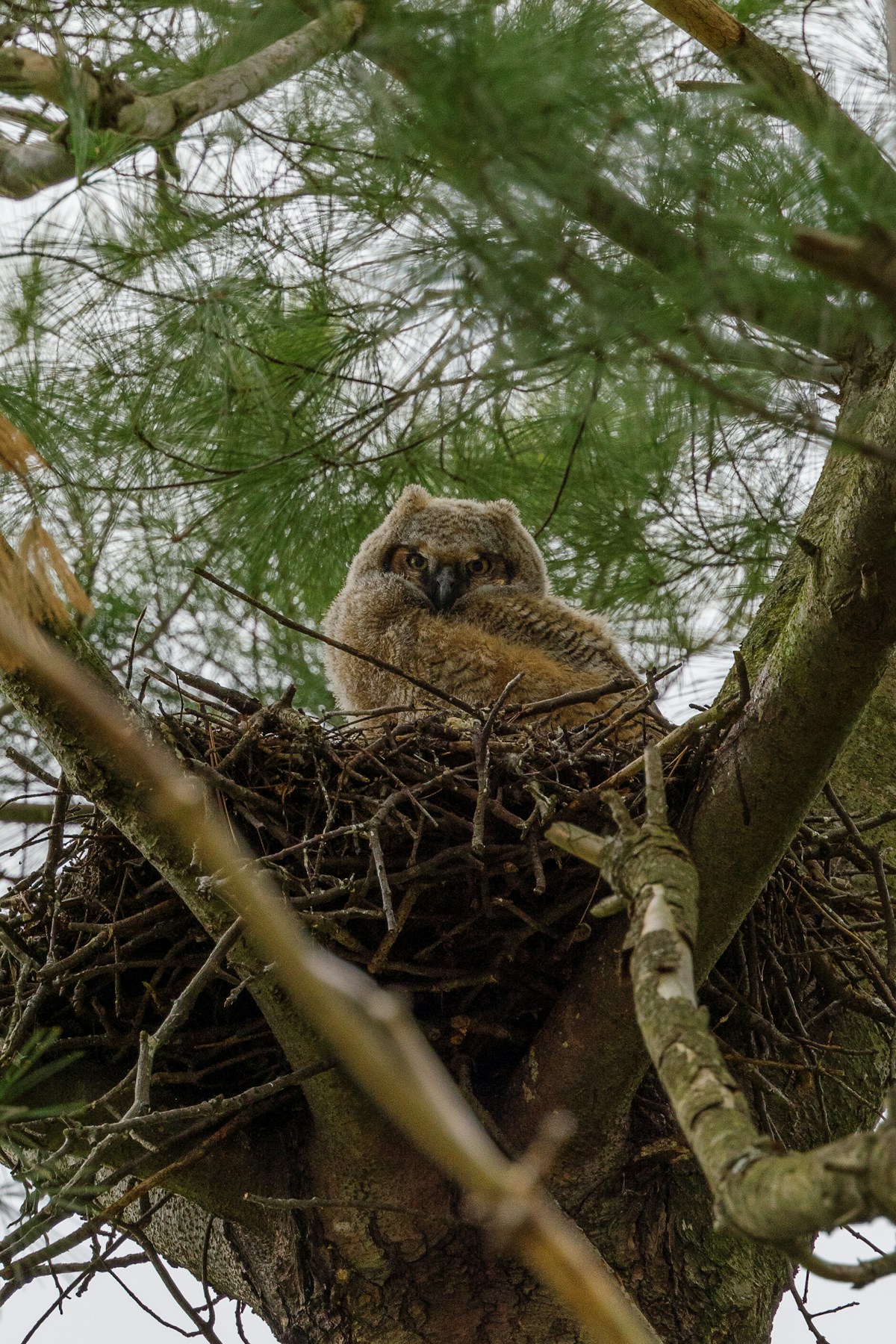
Owls are apex predators of the night. A single Barn Owl family consumes over 3,000 rodents per year. Great Horned Owls regulate populations of raccoons, skunks, and other mesopredators that would otherwise overwhelm ground-nesting birds and small mammals. When owl populations decline, entire ecosystems unravel.
In western Connecticut, owl habitat is under pressure from development, light pollution, rodenticide use, and forest fragmentation. The Barn Owl — once common across the state — is now listed as endangered. Long-eared Owls and Short-eared Owls are increasingly rare winter visitors. Even our most resilient species, the Barred Owl and Great Horned Owl, face mounting challenges from habitat loss and climate disruption.
WCOPS was founded in 2003 by Dr. Margaret Holloway after a decade of watching owl populations decline across the region with no organized response. What started as a small nest box program in Litchfield County has grown into a comprehensive conservation effort spanning western Connecticut — combining habitat protection, population monitoring, community education, and direct intervention.
We don't just study owls. We give them homes, protect their habitat, and build a community of people who understand why it matters.
What We Stand For
Conservation First
Every decision we make is guided by what is best for owl populations. We use peer-reviewed science, not sentiment, to direct our resources and programs.
Evidence-Based Action
We monitor, measure, and report. Our annual population surveys, nest box occupancy data, and habitat assessments drive every initiative we undertake.
Community Partnership
Conservation works when people care. We build lasting relationships with landowners, schools, and municipalities — because owls need neighbors, not just nature reserves.
Inclusive Stewardship
Owls don't recognize property lines. We welcome anyone willing to contribute — whether you own two acres or two hundred, whether you're a biologist or a backyard birder.
Habitat Over Headlines
We focus on the quiet, unglamorous work that actually moves the needle: maintaining nest boxes, restoring forest edges, removing rodenticide, and protecting roost sites.
Knowledge Sharing
Everything we learn goes back to the community. Our data is open, our programs are free, and our educational resources are available to anyone who asks.
Our Journey
2003
WCOPS founded with a mission to protect owl habitat in Litchfield County
2005
First 10 nest boxes installed across New Milford and Kent
2008
Expanded service area to all of western Connecticut
2011
Launched school education program — reached 2,000 students in first year
2014
100th nest box installed; first Barn Owl nesting confirmed in program history
2018
Partnered with CT DEEP on statewide Barn Owl recovery initiative
2021
Launched citizen science acoustic monitoring network
2024
140+ active nest boxes across 2,400 acres of protected habitat
Our Team
A small, dedicated team of conservationists, educators, and volunteers working to make western Connecticut a safer place for owls.
Dr. Margaret Holloway
Executive Director & Lead Researcher
Wildlife biologist with 20+ years studying raptor ecology in the Northeast. Former Connecticut DEEP researcher. Founded WCOPS in 2003.
David Chen
Nest Box Program Director
Master carpenter and lifelong birder. Has personally built and installed over 90 of WCOPS's 140+ nest boxes across western Connecticut.
Sarah Whitfield
Education & Outreach Coordinator
Former elementary science teacher. Develops our curriculum, leads school programs, and coordinates volunteer training.
James Okafor
Field Survey Coordinator
Ornithologist and acoustic monitoring specialist. Manages our annual population surveys and citizen science programs.